Bathroom tiles play a crucial role in both the look and the function of a bathroom. They protect walls and floors from moisture, contribute to the space feel, and influence cleaning ease. This guide explains how to choose tiles that fit your needs and budget while meeting high standards of safety and style.
Types of bathroom tiles
Porcelain and ceramic tiles
Porcelain tiles are dense and water resistant, making them ideal for floors and showers. Ceramic tiles are lighter and offer great color variety for walls. Both are durable with proper installation and sealing. Consider a matte or satin finish to reduce glare and improve slip resistance.
Natural stone tiles
Natural stone such as marble, travertine, or slate adds luxury but requires more maintenance and sealing. They are more prone to etching and staining if not cared for properly. Use stone appropriate for wet areas and seal according to manufacturer recommendations.
Glass and metallic tiles
Glass tiles reflect light and can brighten a small bathroom. They are best used as accents or backsplashes to avoid slippery floors and high cleaning needs. Metallic tiles add texture but require careful sealing and periodic polishing to retain shine.
Concrete and cement tiles
Concrete tiles offer industrial and contemporary looks with bold patterns. They may require sealing and periodic resealing to prevent staining. Textured finishes can add grip on floors while staying easy to clean on walls.
Key factors to consider
- Slip resistance is critical for floors. Look for a low DCOF rating that matches wet zones.
- Water absorption and suitability for wet areas vary by tile type. Porcelain is typically best for bathrooms.
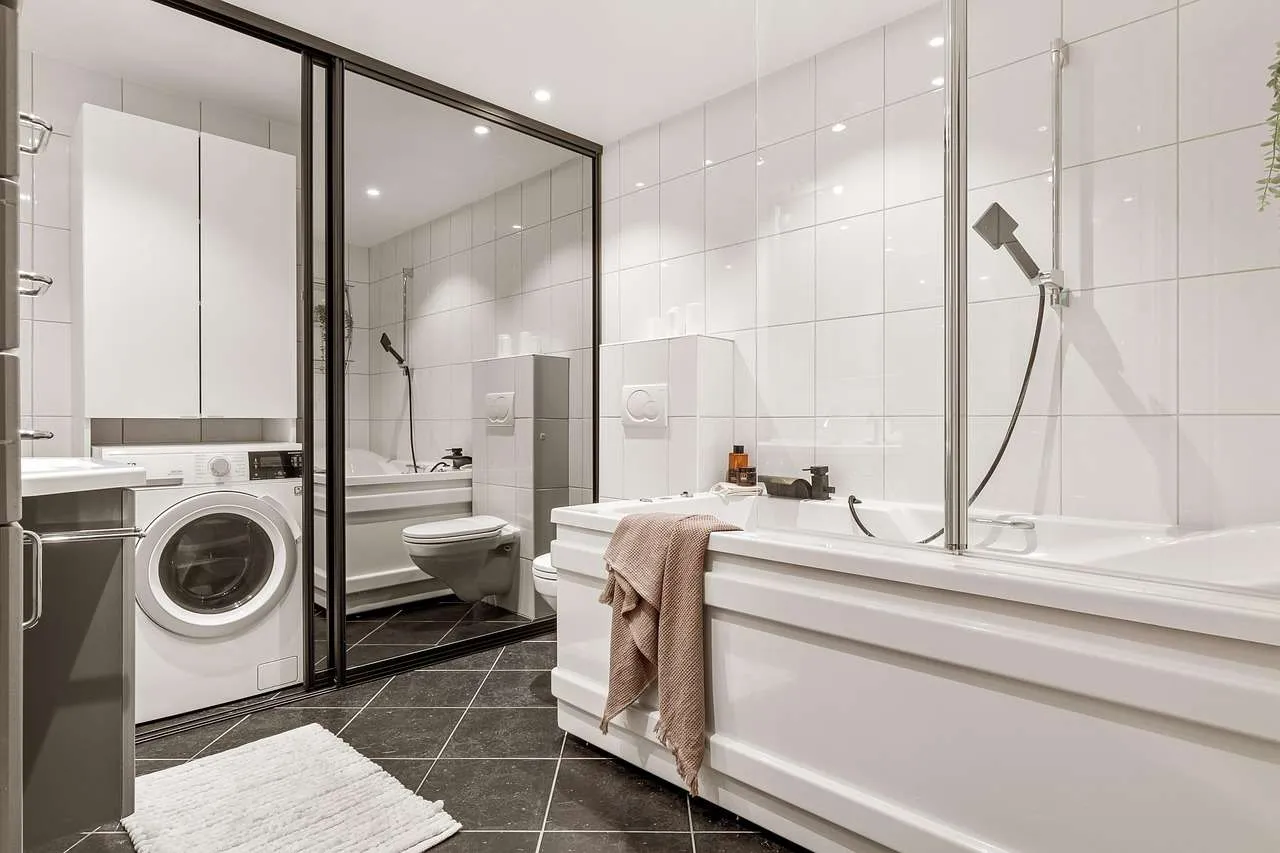
- Tile size and layout influence perceived space. Large format tiles create minimal grout lines and a modern feel.
- Grout choice and color can hide dirt or emphasize seams. Epoxy grout offers better stain resistance but may be harder to install.
- Substrate preparation and waterproofing are essential for long life. A waterproof membrane behind walls in showers is standard.
- Expansion joints and floor leveling are important for long term performance in humid climates.
Trends and design ideas
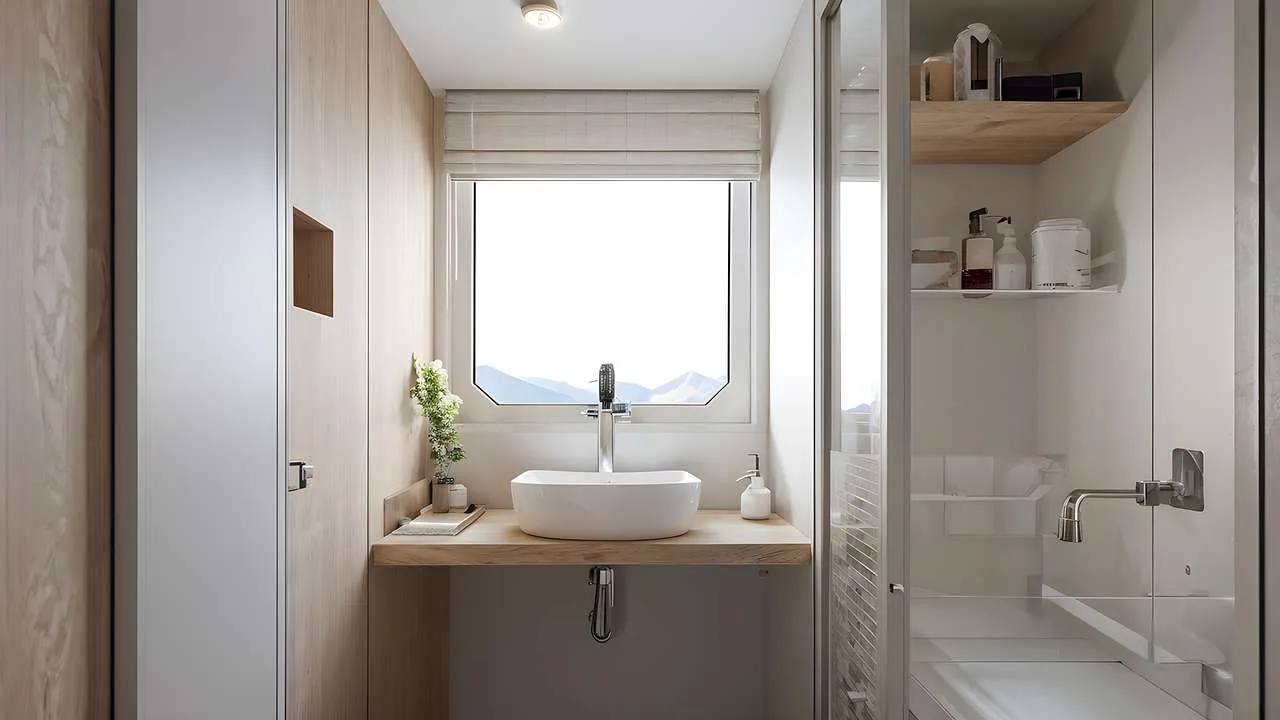
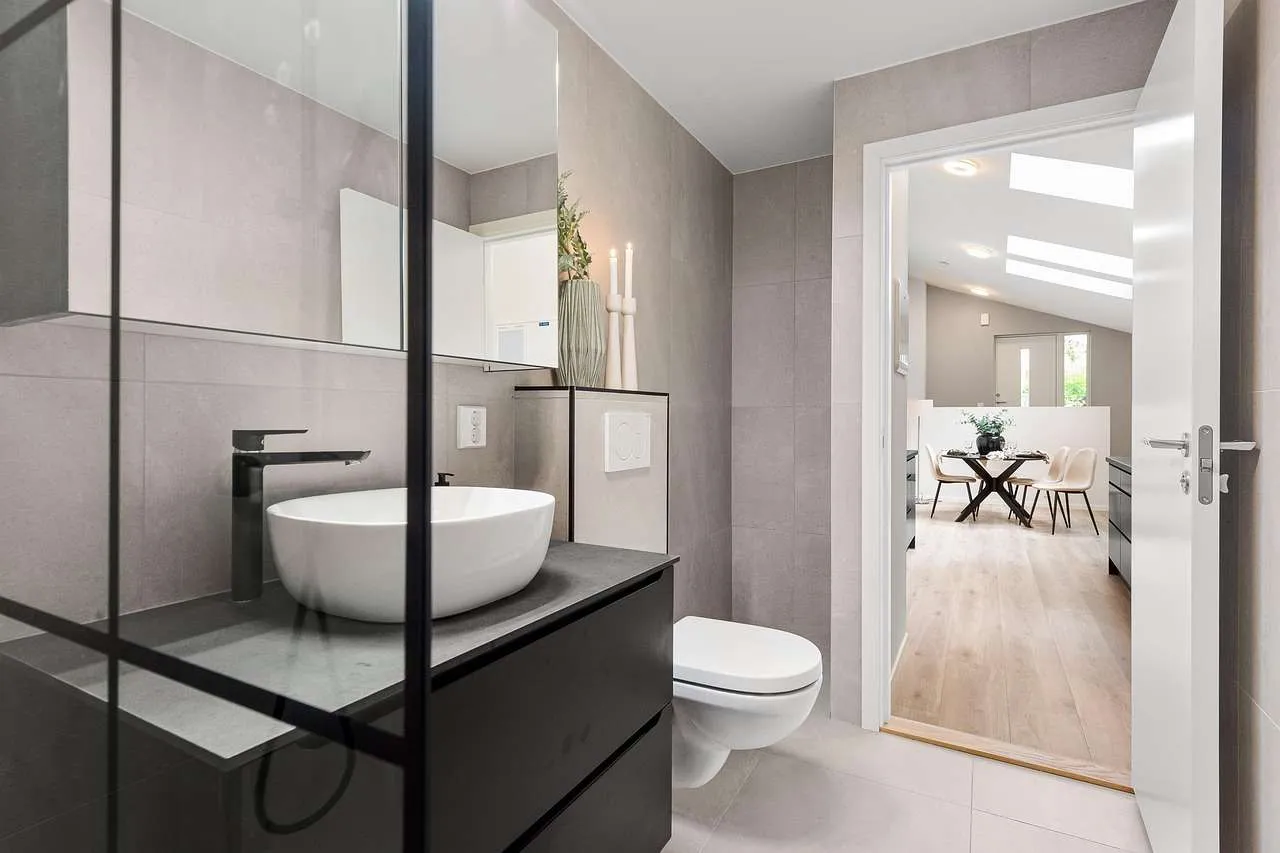
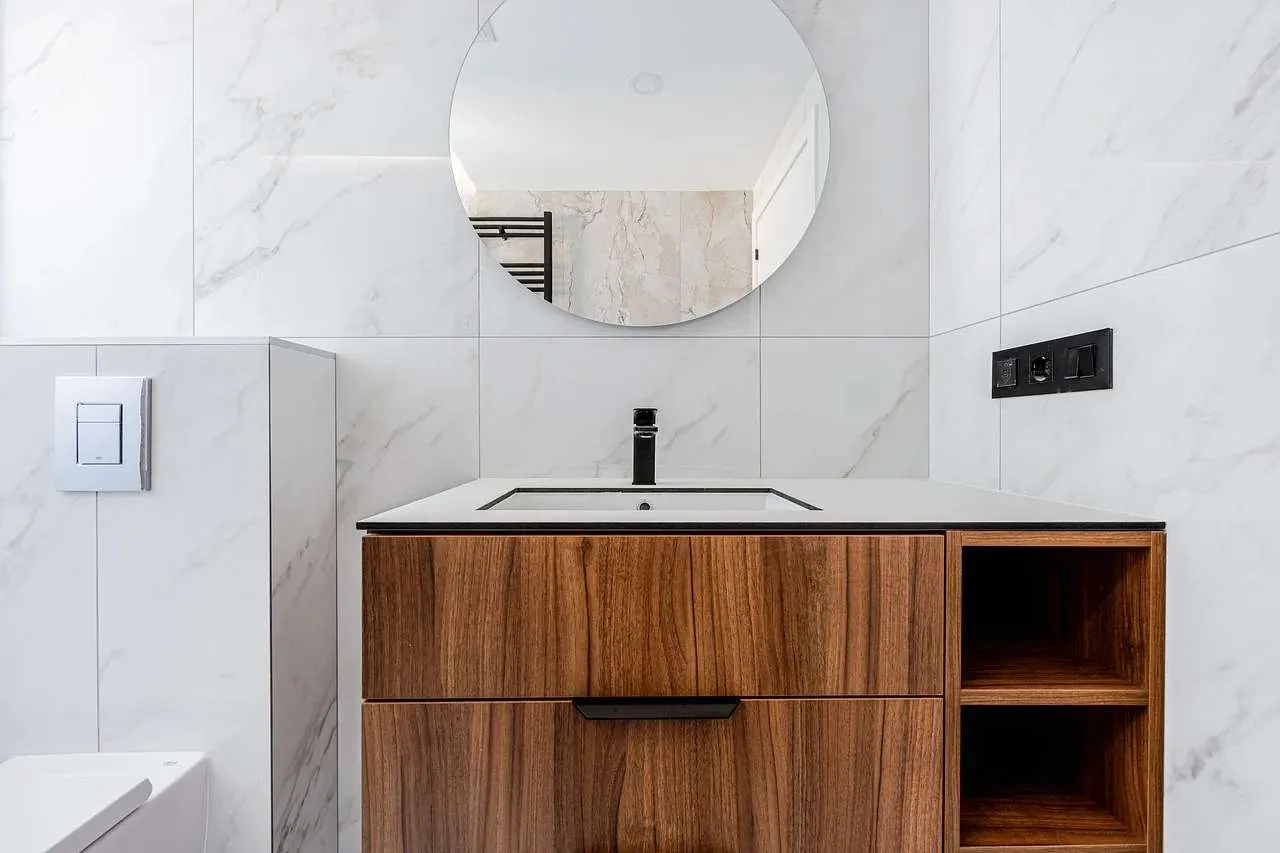
Large format tiles and monochrome palettes create calm, spa like bathrooms with fewer grout lines. Subway tiles remain timeless and versatile for both walls and showers. Matte finishes hide water marks and fingerprints, while warm neutral tones such as warm whites, beiges and greiges pair well with wood vanities. Natural stone looks using porcelain or ceramic replicates patterns at lower maintenance. A splash of color in a small band or mosaic can add personality without overwhelming the space.
Installation tips
Plan layouts carefully by drawing a grid and dry placing tiles before any mortar is applied. Ensure a flat, clean substrate and use a reliable waterproofing membrane for wet zones. Choose an appropriate thinset mortar and mix as directed by the manufacturer. Allow sufficient curing time and seal porous tiles and grout as recommended. Use consistent grout joints and consider color that conceals dirt while maintaining the desired aesthetic.
Common tile types comparison
| Tile Type | Water Absorption | Durability | Maintenance | Typical Cost |
|---|---|---|---|---|
| Porcelain | Low | High | Low to Moderate | Medium |
| Ceramic | Low to Moderate | Medium | Moderate | Low to Medium |
| Natural Stone | High | Medium to High | High | High |
| Glass | Low | High | Low | High |
| Cement | Moderate to High | Low to Medium | High | Medium |
Maintenance and longevity
Regular cleaning with pH neutral products helps preserve color and grout. Seal grout periodically and address leaks promptly. Ventilation reduces mildew growth in showers and baths. For heavy use bathrooms, re grout or replace worn sections to maintain performance and look.
Conclusion
Conclusion, selecting bathroom tiles means balancing style and practicality. By choosing the right material, size and finish and following good installation and maintenance practices you can create a durable beautiful bathroom that increases value and enjoyment.