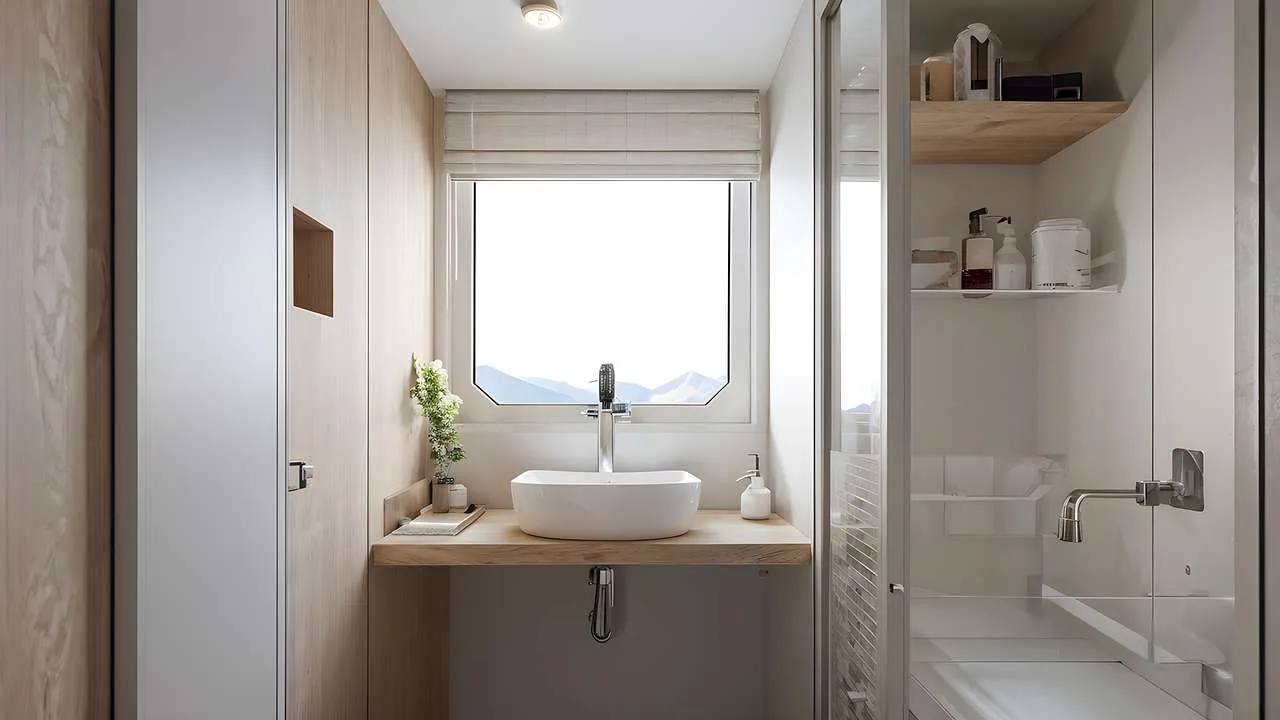
Small bathrooms pose a unique design challenge, but with purposefully chosen ideas you can maximize space, storage, and comfort. This guide shares expert tips on layout, fixtures, lighting, and finishes to help you achieve a bathroom that feels larger and calmer, even in tight spaces.
Key Design Principles for Small Bathrooms
Start with three core principles: maximize available inches, reflect light to diminish shadows, and choose durable materials that resist humidity. Applying these can transform cramped spaces into efficient, spa-like rooms.
- Maximize every inch with wall-mounted fixtures and recessed storage.
- Use light colors and large mirrors to create a sense of openness.
- Plan for practical maintenance with high-quality, water-resistant surfaces.
1. Space-Saving Fixtures
In small bathrooms, wall-mounted vanities and toilets free floor space, making the room feel larger and easier to clean. A corner or frameless glass shower enclosure also expands the visual footprint, especially when paired with a large mirror and light wall tiles.
2. Light, Color, and Reflective Surfaces
Choose a bright, cohesive palette with white, pale neutrals, or soft pastels. Glossy or large-format tiles reflect light, while mirrors—ideally a full-wall mirror or a tall medicine cabinet—double the perceived size.
3. Smart Storage Solutions
Integrate storage where you already have pipes: recessed niches in the shower, a medicine cabinet with adjustable shelves, and floating shelves above the vanity. Drawer organizers and toe-kick drawers can hide everyday essentials without crowding the space.
4. Durable Materials and Maintenance
Opt for porcelain or ceramic tile with a low-maintenance finish, non-slip floor options, and sealed grout to reduce moisture damage. Choose corrosion-resistant fixtures and matte or satin finishes to hide water spots between cleanings.
5. Layout Planning and Budget
Before renovations, measure carefully and create a simple floor plan. Prioritize fixtures you use daily and leave space for doors or drawers to swing without obstruction. Budget for professional installation if plumbing runs need moving; otherwise, many updates can be DIY or tackled with a contractor for guidance.
Table: Small Bathroom Ideas Comparison
| Idea | Best For | Pros | Cons | Approx. Cost |
|---|---|---|---|---|
| Wall-mounted vanity + glass shower | Most versatile small baths | Clear floor; easy cleaning; modern look | Higher installation skill; plumbing visible | Under $5k – $12k |
| Corner shower stall + recessed storage | Very tight footprints | Maximizes corner space; tidy | May feel cramped without light | $3k – $8k |
| Pocket door + large mirror wall | Open feeling with minimal clearance | No swing space; enhances brightness | Higher carpentry cost | $4k – $9k |
| Compact tub-shower combo | Versatility for baths | Comfort for bathing; still compact | Larger footprint; less airy | $2k – $6k |
Implementation tips: start with one or two high-impact changes (like a wall-mounted vanity and a large mirror), then add storage features as you access more space. If you’re renting or working with a tight budget, prioritize non-structural updates such as hardware, lighting, and accessories that refresh the room without a full remodel.
Conclusion, By combining smart fixtures, thoughtful storage, and light-reflecting surfaces, you can create a small bathroom that feels open, functional, and timeless. Start with a plan, choose durable materials, and tailor the layout to your space, budget, and daily routine. A well-executed design turns constraints into opportunities, delivering comfort and style in a compact footprint.