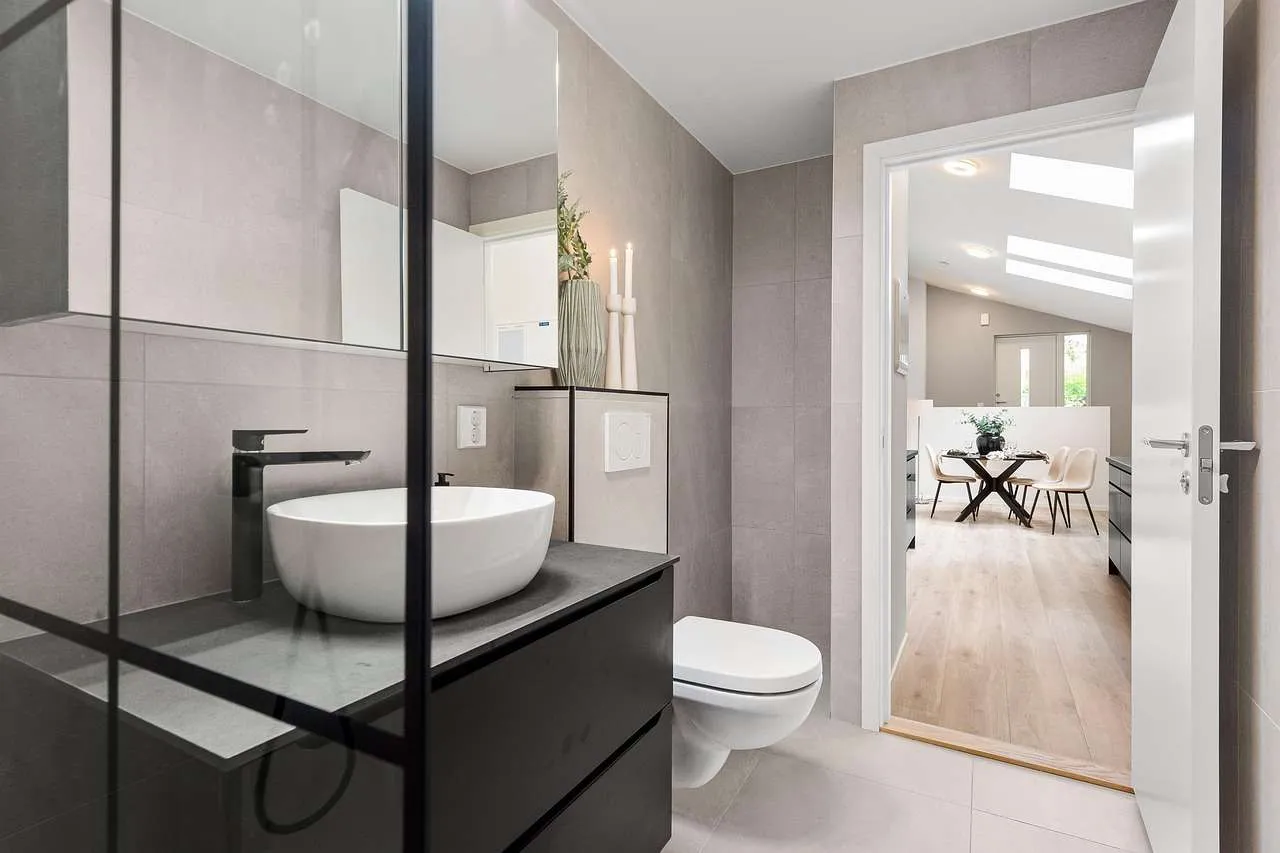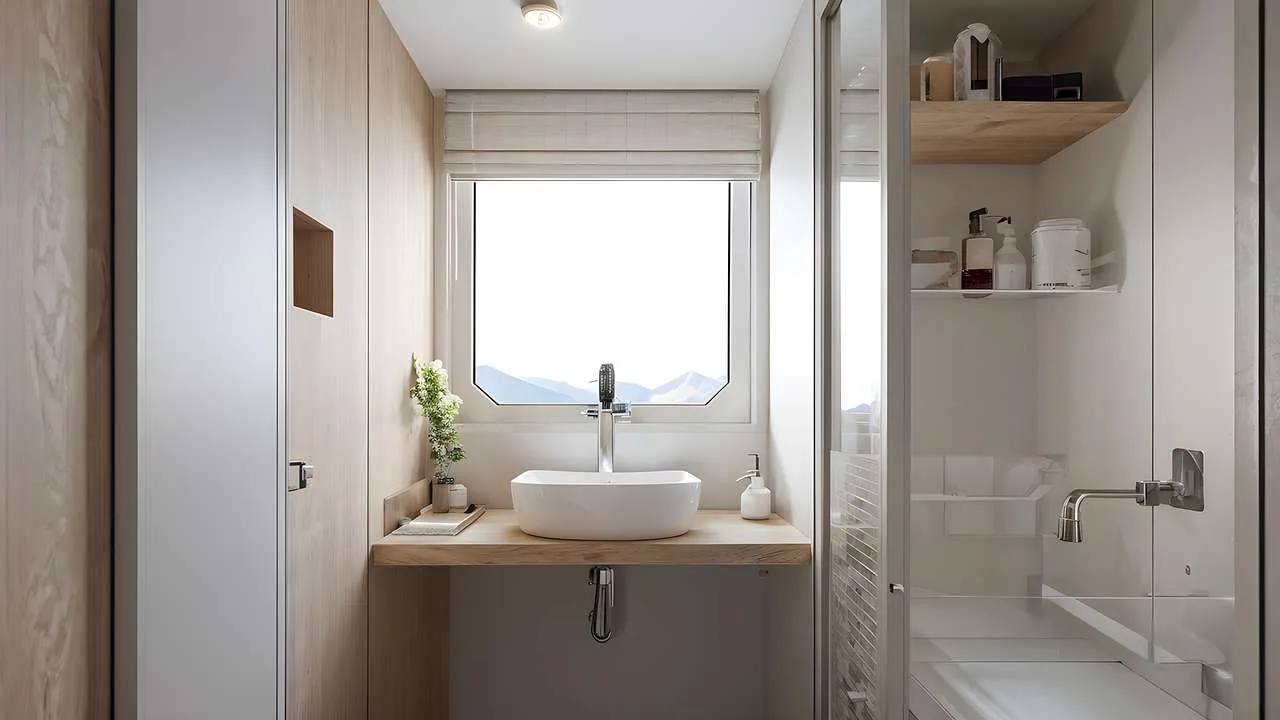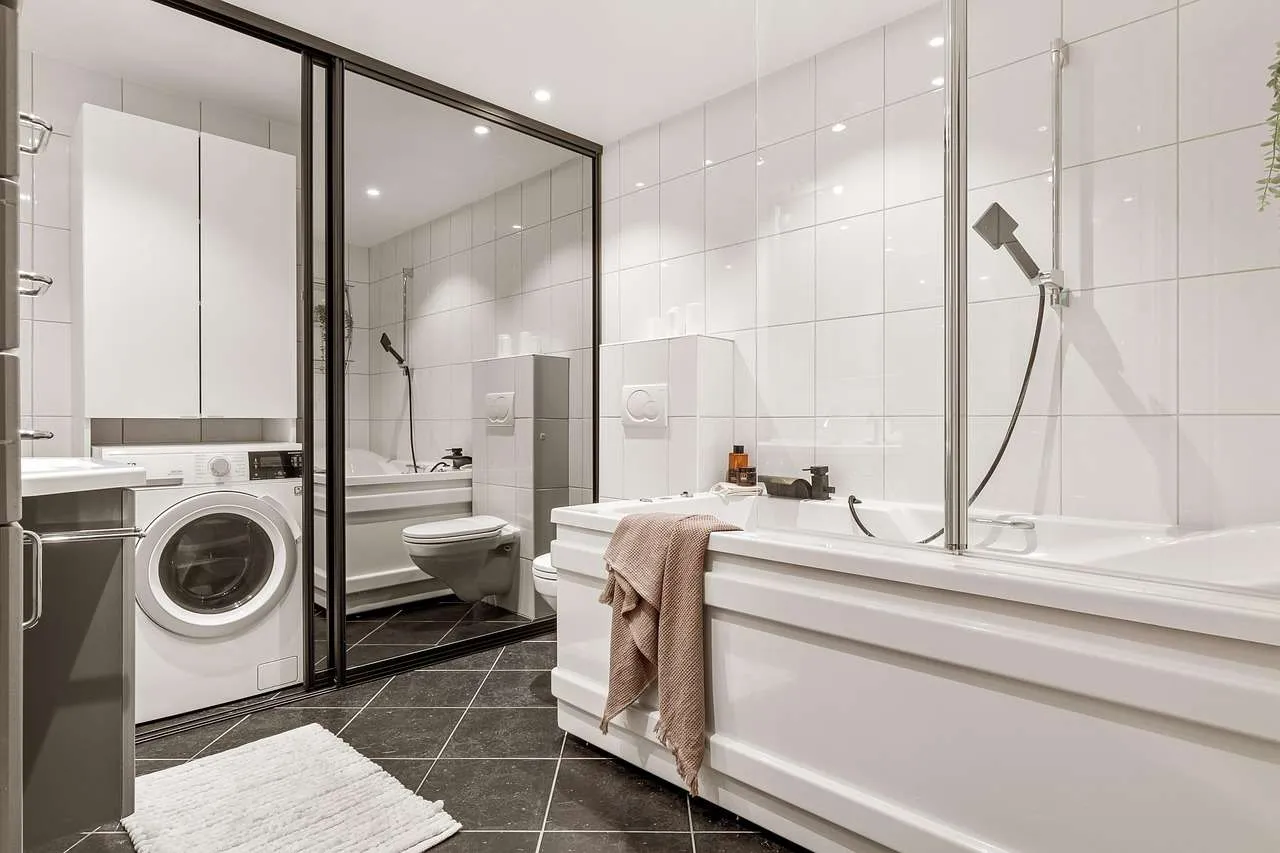
Every bathroom deserves thoughtful bathroom accessories that blend form and function. The right items organize essentials, protect surfaces, and elevate your daily routine. From towel storage to vanity mirrors, well-chosen accessories reflect your style while enhancing durability in high-humidity spaces. This guide helps you understand categories, materials, finishes, and maintenance so you can make informed decisions that align with EEAT principles—expertise, authoritativeness, and trustworthiness.
Understanding the role of bathroom accessories
Bathroom accessories are small, high-impact elements that support daily habits. They organize towels, soaps, toothbrushes, and bath sponges; they guide moisture management; and they contribute to a cohesive look. Quality accessories reduce clutter, protect fixtures, and improve accessibility for everyone in the home. When selecting them, consider installation surface, weight capacity, corrosion resistance, and ease of cleaning.
Key categories and what to look for
Towel storage and experience
Towel bars, rails, and rings come in a range of sizes and profiles. Look for solid construction, secure mounting, and smooth finishing to avoid snagging fabrics. If space is tight, opt for a combination bar and hook system or a heated towel rack for luxury and energy efficiency.
Dispensing and cleaning essentials
Soap dispensers, toothbrush holders, and lotion pumps keep counters clean and hygienic. Choose vented or sealed designs to reduce water spotting, and select non-porous materials that resist mold growth in humid environments. For families, consider wall-mounted dispensers to free up counter space and simplify cleanup.
Shower and bath organizers
Shower caddies, corner shelves, and grab bars combine safety with convenience. Materials should withstand constant exposure to water and cleaning products. Magnetic or friction-fit solutions offer easy adjustments, while sealed, rust-proof metals provide long-term reliability in damp bathrooms.
Mirrors, lighting, and reflection
Mirrors with anti-fog technology or integrated lighting improve visibility for grooming. Consider anti-scratch coatings and humidity-rated electrical components for safety and longevity. A well-chosen mirror also reflects light, making small bathrooms feel more spacious.
Materials, finishes, and durability
The most common materials for bathroom accessories include stainless steel, brass, ceramic, and acrylic. Finishes such as chrome, brushed nickel, matte black, and oil-rubbed bronze affect both durability and aesthetics. In moist environments, choose corrosion-resistant options and avoid coatings that wear quickly. For longevity, stainless steel and solid brass hardware perform well, while Ceramic and high-quality acrylic offer economical alternatives with stylish appeal.
Design styles and how to choose
Style should harmonize with your existing bathroom design. Modern spaces benefit from clean lines and chrome or matte black finishes. Classic bathrooms pair brass or brushed nickel with timeless shapes. Minimalist designs favor simple silhouettes and monochrome color schemes. When selecting accessories, consider color palette, hardware finishes across items, and the overall mood you want to create—calm spa-like, bold and contemporary, or airy coastal.
Installation, maintenance, and care
Proper installation extends life and safety. Use wall anchors for drywall or mount to studs for heavier items. Spacing should allow easy reach and avoid crowding sinks or toilets. Regular maintenance includes wiping down metal surfaces to remove mineral deposits, using non-abrasive cleaners, and inspecting mounting hardware for loosening screws. In humid rooms, dry surfaces after showers to reduce corrosion and mildew formation.
Buying guide and quick comparison
When shopping, balance price with durability, warranty, and brand reputation. Below is a quick material comparison to guide selection.
| Material | Pros | Cons | Best For |
|---|---|---|---|
| Stainless Steel | Durable, corrosion-resistant, modern look | Can show water spots without regular cleaning | Everyday use, high-humidity bathrooms |
| Brass | Warm, timeless appeal; good for traditional styles | Heavier; may tarnish if not sealed | Classic and vintage-inspired spaces |
| Ceramic | Budget-friendly; versatile colors | More prone to chipping; less durable than metal | Colorful accents and functional non-metal options |
| Acrylic | Lightweight; easy installation | Scratches easily; may discolor over time | Budget projects and light-use spaces |
EEAT: building trust with quality choices
To align with EEAT standards, prioritize reputable brands, clear product warranties, and transparent installation guidelines. Expert tips from professional installers can improve mounting safety, while customer reviews and independent testing provide trustworthy signals. If in doubt, consult a licensed plumber or contractor for items that involve water lines or electrical components, such as vanity lighting and heated towel racks.
Final considerations
Budget, lifestyle, and bathroom size shape your selection. Start with a cohesive plan: list essential items, choose a unifying finish, and ensure compatible mounting options. Investing in a few high-quality pieces rather than many low-cost items often yields stronger durability, easier maintenance, and a more polished look over time.
Conclusion, selecting the right bathroom accessories balances practicality with aesthetics, ensuring durable materials, cohesive finishes, and thoughtful placement that enhances daily routines while maintaining a clean, relaxing bathroom environment. A deliberate approach to storage, display, and access creates a space that feels both fresh and timeless.